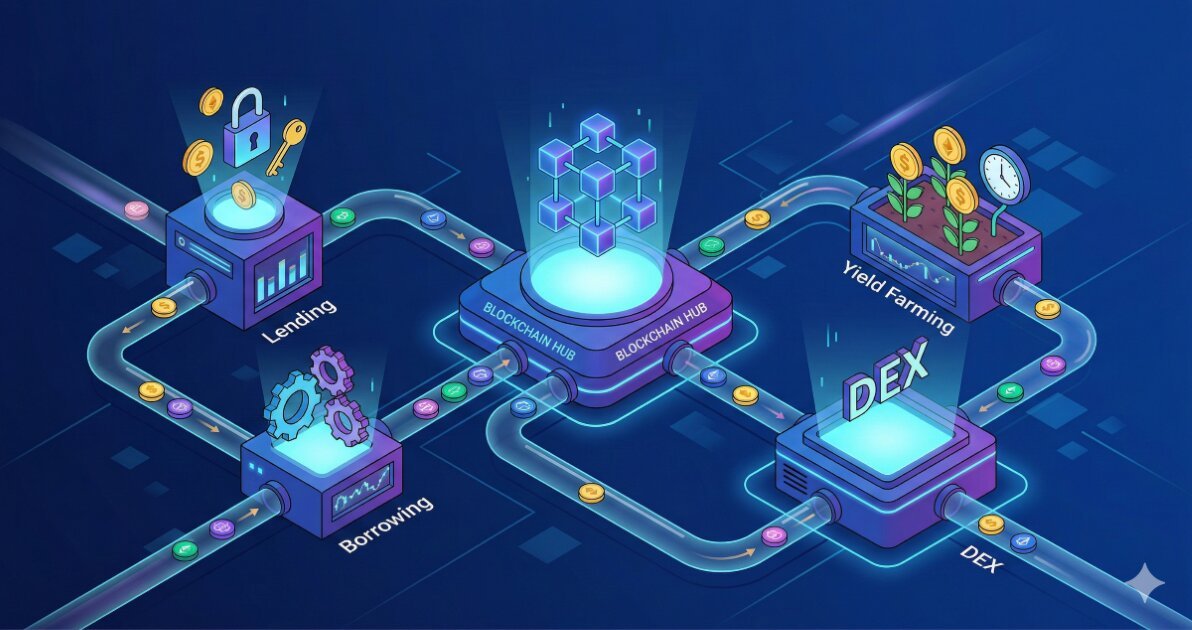
Crypto markets generate hundreds of ostensibly newsworthy events daily: protocol upgrades, exploit postmortems, regulatory filings, exchange listings, wallet integrations, market structure changes. For practitioners, the challenge is not access but signal extraction. This article describes a mechanical framework for triaging daily crypto information flows, evaluating source credibility, and routing actionable signals to the correct workflow.
Event Classification and Routing
Group inbound events into four operational buckets before you read details.
Protocol and infrastructure events include mainnet launches, hard forks, consensus client updates, bridge deployments, oracle feed additions, and API version changes. These affect transaction execution, contract interactions, and infrastructure dependencies. Route to technical review if you operate nodes, integrate APIs, or build on affected chains.
Market structure events include trading pair launches, liquidity program changes, fee schedule updates, margin requirement adjustments, and custody service additions. These alter execution costs, available leverage, settlement paths, and counterparty exposure. Route to execution review if you trade size or manage treasury operations.
Security and exploit events include vulnerability disclosures, post exploit fund recoveries, audit report publications, and bounty payouts. These reveal attack surfaces, recovery mechanisms, and downstream risk in composable protocols. Route to risk review if you hold affected tokens, use composable protocols, or custody funds.
Regulatory and compliance events include enforcement actions, licensing announcements, tax guidance publications, and cross border restriction changes. These modify legal risk, reporting obligations, and jurisdictional access. Route to compliance review if you operate an entity, file taxes, or serve multiple jurisdictions.
Misrouting creates false urgency. A new exchange listing is not a protocol event. A regulatory filing in a jurisdiction you do not touch is not immediately actionable.
Source Credibility Mechanics
Crypto news propagates through official channels, aggregators, onchain analytics, and social amplification. Each carries different verification burdens.
Official sources include protocol governance forums, foundation blog posts, exchange notices, and regulator publications. These carry first party authority but may lag breaking events. Check commit histories, governance vote outcomes, and published technical specifications to confirm announced changes. Official blog posts occasionally misstate implementation details.
Onchain data includes block explorers, mempool monitors, and analytics dashboards. These provide ground truth for executed transactions but require interpretation. A large token transfer may signal an exchange deposit, OTC settlement, or internal treasury move. Context requires wallet labeling, historical patterns, and confirmation of destination addresses.
Aggregators and news feeds compile events from multiple sources. Quality varies by editorial process. Assess whether a feed links to primary sources, distinguishes rumor from confirmation, and corrects errors promptly. Aggregators racing for speed often recycle unverified claims from social channels.
Social and community channels surface breaking events fastest but carry highest noise. Treat initial social signals as hypothesis generating, not decision making. A widely shared screenshot of a Discord message is not confirmation of a protocol change. Wait for corroboration from official channels or onchain evidence.
Example: Processing a DEX Exploit Report
At 0800 UTC, you see social posts claiming a decentralized exchange suffered a $10M exploit. Apply the triage framework.
First, classify. This is a security event. Route to risk review workflow.
Second, verify source. Check the DEX official Twitter and Discord. At 0815, the team posts acknowledgment and pauses the protocol. This confirms the event.
Third, assess scope. Review the exploit transaction on a block explorer. Identify affected contract addresses. Check whether you hold LP positions, have open orders, or depend on price feeds from this DEX. If yes, determine whether funds are at continued risk or the pause isolated exposure.
Fourth, monitor recovery. Track governance proposals for remediation, review any third party auditor statements, and watch for whitehat return negotiations. These signal whether normal operations will resume and under what parameters.
Fifth, generalize. Note the attack vector (reentrancy, oracle manipulation, access control). Review whether protocols you use share similar architecture. If the exploit targeted a widely used library, expand scope to all deployments of that library.
This workflow takes 15 to 30 minutes and produces concrete risk assessment and position adjustments.
Common Mistakes in News Processing
Conflating announcement with deployment. A protocol announces a feature in a blog post. The feature may deploy weeks later, undergo parameter changes, or get delayed. Confirm deployment via onchain contract verification or official mainnet addresses.
Ignoring versioning. A security disclosure affects version 2.1 of a contract. You assume your position uses 2.1 because the protocol name matches. Check actual contract addresses. Protocols often run multiple versions concurrently.
Trusting aggregator timestamps. An aggregator publishes an event with today’s date. The underlying source may be days old. Always check publication time on the primary source.
Overweighting social sentiment. A token pumps on rumor of an exchange listing. The listing never materializes. Distinguish confirmed events from speculation, even when speculation moves price.
Neglecting regulatory geography. A regulator issues guidance. You assume it applies to your jurisdiction. Confirm jurisdictional scope and whether it affects your entity type or activity.
Reacting to incomplete exploit information. An exploit occurs. You exit all positions in the protocol before understanding scope. The exploit may have affected only a specific pool, vault, or deprecated contract. Wait for technical postmortems that identify affected components.
What to Verify Before You Act on Daily News
Verify these parameters before changing positions, integrations, or operations based on new information:
- The actual contract address or API endpoint affected, not just the protocol brand name
- Whether announced changes apply to mainnet, testnet, or a specific Layer 2
- The effective date of regulatory guidance and its jurisdictional scope
- Whether a security disclosure has a deployed patch and how to verify patch deployment
- Current oracle price feed addresses if a story involves price manipulation
- The version number of software, contracts, or APIs referenced in the event
- Whether an exchange listing, delisting, or service change affects spot, derivatives, or both
- Governance vote outcomes and execution timelock if the story involves protocol parameter changes
- Whether a token migration or redenomination requires user action or happens automatically
- The difference between a proposal, a passed vote, and an executed transaction in governance processes
Next Steps
- Map your current information sources to the four event classification buckets. Identify gaps in protocol infrastructure and regulatory coverage for assets or chains you use.
- Create a verification checklist specific to your operations: contract addresses you depend on, jurisdiction specific regulatory monitors, and onchain addresses for large counterparties.
- Set alert thresholds that match your actual risk exposure. A $100k exploit in a protocol holding $1B TVL carries different urgency than a $100k exploit in a protocol where you have active positions.
Category: Crypto News & Insights