Crypto news apps compete on speed, source diversity, filtering capability, and integration with trading workflows. The best app for a practitioner depends on whether you need alpha from primary sources, aggregated sentiment data, or protocol event detection. This article outlines the technical criteria that separate signal from noise and describes the filtering, notification, and data export features that matter for active traders and analysts.
Source Hierarchy and Latency
News apps pull from three tiers: primary sources (protocol announcements, governance forums, official Discord or Telegram channels), aggregators (traditional crypto media, Twitter feeds), and derivative sources (newsletters, analysis sites). Apps that index onchain governance proposals or parse blockchain event logs provide information minutes to hours before it reaches aggregated feeds.
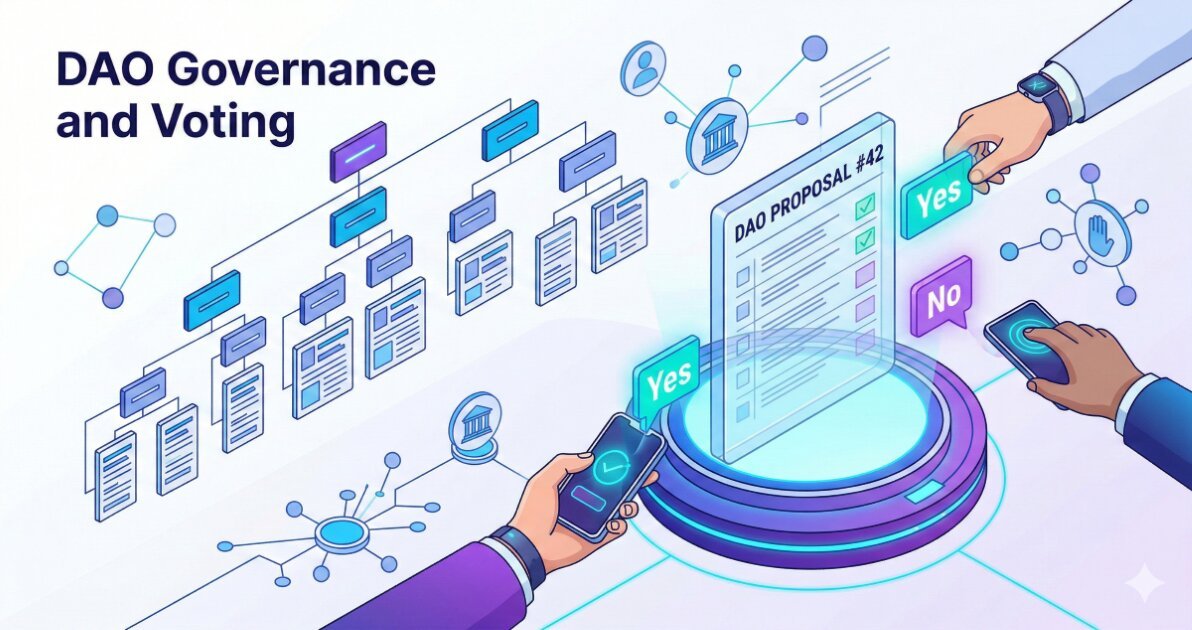
Latency matters when protocol upgrades, security incidents, or tokenomics changes affect position risk. An app that surfaces a Snapshot vote or a multisig transaction before it hits social media gives you time to evaluate exposure. Check whether the app indexes governance platforms (Snapshot, Tally, onchain voting contracts) and whether it parses event logs from specific smart contracts you care about.
Some apps offer RSS or webhook integrations to protocol blogs and GitHub release pages. These feeds bypass human curation delay but require you to filter signal yourself.
Filtering and Query Construction
Generic crypto news feeds deliver hundreds of items per day, most irrelevant to your positions. Effective filtering requires keyword matching, source weighting, and entity recognition (protocol names, token tickers, wallet addresses).
Look for apps that let you construct queries combining multiple conditions. For example, filtering for news mentioning “Aave” AND (“liquidation” OR “oracle”) but excluding general market commentary. Boolean operators and regex support matter when monitoring niche protocol parameters or governance discussion keywords.
Tag based filtering is less useful than entity extraction. An app that recognizes “Uniswap” across varied phrasing (UNI, Uniswap v3, the Uniswap DAO) and links mentions to a canonical entity provides more consistent results than manual keyword lists.
Some apps allow filtering by sentiment score or source credibility rating. Sentiment models trained on crypto specific language (not general finance) reduce false positives when distinguishing speculation from confirmed events.
Notification Architecture
Push notifications for price alerts are common. Fewer apps support alerts triggered by news content or onchain events. A useful notification system lets you define triggers based on filtered queries, not just preset categories.
Consider whether notifications include enough context to decide whether to open the app. A notification reading “Aave governance update” is less actionable than “Aave Snapshot vote live: change liquidation threshold for wstETH.” Configurable notification templates that pull headline, source, and timestamp into the alert message save triage time.
Rate limiting and deduplication prevent alert fatigue. Apps that bundle related stories or suppress duplicate coverage of the same event across multiple sources reduce noise without hiding information.
Data Export and Integration
Practitioners who backtest strategies or analyze news impact need structured data export. CSV or JSON export of filtered news feeds, including timestamp, source, headline, and full text, enables correlation analysis with price or volume data.
API access is rare in consumer news apps but valuable for automation. Webhook delivery of filtered news items lets you pipe alerts into Slack, Discord, or custom dashboards. Some apps offer Zapier or IFTTT integration as a lightweight alternative to native APIs.
Integration with portfolio trackers or trading platforms reduces context switching. Apps that recognize your holdings and surface relevant news (protocol upgrades, security incidents, partnership announcements) without manual filtering streamline monitoring.
Worked Example: Protocol Risk Event Detection
You hold a leveraged position in a DeFi protocol that relies on Chainlink oracles. A useful news app workflow looks like this:
- Create a filter for news mentioning the protocol name OR its governance token ticker AND keywords “oracle”, “Chainlink”, “price feed”, “delay”, or “outage”.
- Set notification delivery to webhook, posting to a private Discord channel you monitor during market hours.
- Configure a secondary filter for the protocol’s GitHub repository commits or releases, checking for emergency pause mechanisms or oracle failover logic changes.
- When a notification arrives reporting Chainlink downtime affecting a related protocol, you query the app’s archive to check whether similar incidents affected your protocol historically and review governance forum discussion frequency.
This setup alerts you to oracle risk before price impact appears and provides historical context for decision making.
Common Mistakes and Misconfigurations
- Relying on aggregated trending topics instead of direct source monitoring. Trending algorithms optimize for engagement, not timeliness or relevance. Protocol governance votes and technical disclosures rarely trend before price impact.
- Setting overly broad keyword filters that generate alert fatigue. Filtering for “Ethereum” without excluding general market news produces hundreds of irrelevant items daily.
- Ignoring source credibility signals. Not all protocol announcements come from official accounts. Apps that verify sources (blue check equivalents, domain authentication) reduce phishing and rumor exposure.
- Failing to test notification delivery latency. Some apps batch notifications or throttle delivery during high volume periods. Simulate a relevant event and measure time to alert.
- Using sentiment scores without understanding model training data. Sentiment models trained on equities or general news often misclassify crypto specific language (“liquidation”, “burn”, “fork”).
- Not exporting and archiving filtered news for post analysis. Reviewing which news items preceded profitable or unprofitable trades improves filter tuning over time.
What to Verify Before You Rely on This
- Which governance platforms and onchain data sources the app indexes (Snapshot, Tally, specific blockchain event logs).
- Notification delivery latency under load (test during high volatility periods).
- Data export format options and any limits on historical data retrieval.
- Whether the app maintains its own content archive or depends on third party APIs that may have terms of service restrictions.
- API rate limits and webhook delivery guarantees if you integrate with other tools.
- Source verification methods (how the app confirms official protocol accounts vs impersonators).
- Sentiment model training data and accuracy metrics for crypto specific language.
- Filter complexity limits (maximum query length, number of active filters, boolean operator support).
- Whether the app sells aggregated user behavior or filtered query data to third parties (privacy implications).
- Pricing tiers and which features require paid subscriptions (API access, advanced filtering, longer archive retention).
Next Steps
- Test candidate apps by creating filters for protocols you actively trade and measuring notification latency against known events or official announcements posted to Discord or forums.
- Export a week of filtered news data and analyze correlation with your trading performance or missed opportunities to refine filter criteria.
- Document your filter queries and notification configurations in version controlled text files to replicate setups across apps or recover from configuration loss.
Category: Crypto News & Insights