Crypto markets move on news. But not all announcements carry equal weight, and the signal to noise ratio has degraded as the ecosystem matured. This article builds a technical framework for evaluating news events, extracting tradable signals, and avoiding false positives that plague retail flow.
News Categories and Market Impact Profiles
Crypto news falls into discrete categories with predictable volatility signatures.
Protocol upgrades and network events generate asymmetric risk. Ethereum’s transition to proof of stake in September 2022 created months of positioning flow before the merge, followed by sharp volatility compression. Hard forks, token unlocks, and mainnet launches follow similar patterns: long lead times with rising implied volatility, then rapid mean reversion post event.
Regulatory announcements produce reflexive price action. Enforcement decisions, guidance updates, and legal rulings often trigger immediate liquidations across leverage markets before fundamentals adjust. The SEC’s treatment of specific tokens as securities creates binary outcomes: delisting cascades on compliant exchanges versus OTC premium expansion on unregulated venues.
Institutional adoption news requires verification of actual capital flows versus marketing announcements. A corporate treasury allocation moves price. A partnership press release without onchain settlement rarely does. Check transaction hashes, wallet addresses, and exchange reserve changes to separate real deployment from vaporware.
Exploit and security events exhibit predictable recovery curves. Major protocol hacks follow a standard sequence: initial crash of 20 to 40 percent, dead cat bounce within 24 hours as shorts cover, then protracted recovery over weeks as the team executes response plans. Contagion spreads through shared dependencies and liquidity pools.
Onchain Data as News Verification
Price action alone obscures whether news created genuine demand shifts or temporary order book imbalances.
Monitor stablecoin flows into exchanges as a leading indicator of spot buying pressure. Large USDT or USDC transfers to trading venues 30 to 90 minutes before major announcements often indicate informed positioning. Compare inflow volumes to typical daily averages for the relevant exchange pairs.
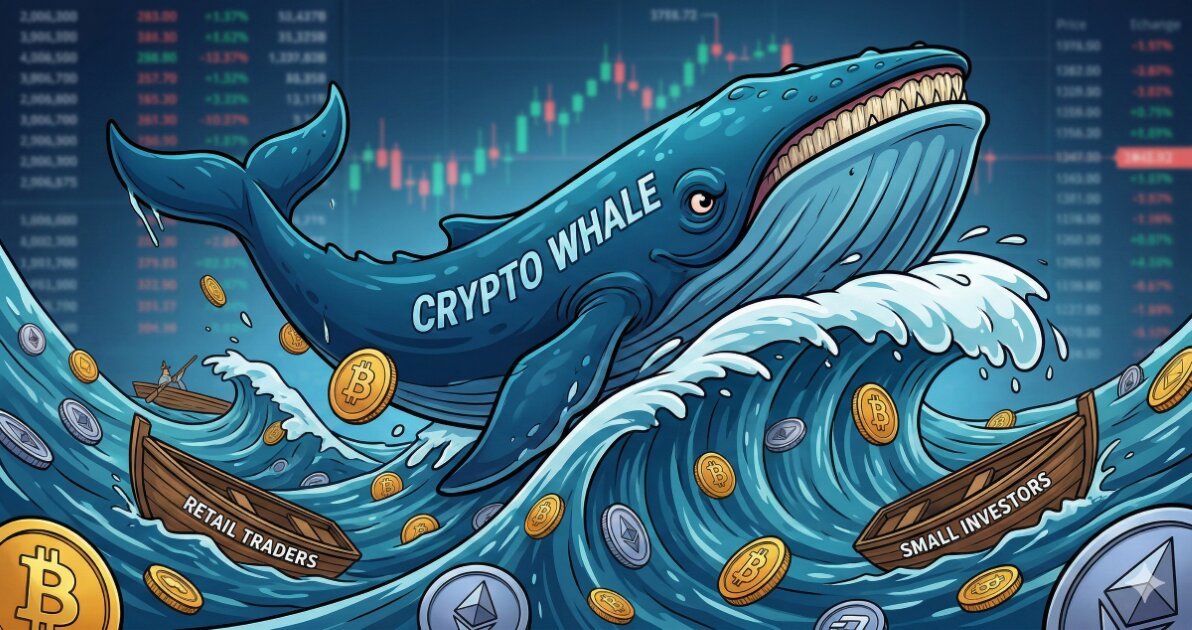
Whale wallet activity provides ground truth for institutional narrative. When a major holder accumulates during negative news cycles, that divergence carries more weight than sentiment surveys. Track top holder concentration changes using block explorers with historical balance snapshots.
Funding rates in perpetual swap markets reveal leverage positioning. Sustained positive funding above 0.05 percent per 8 hour period indicates aggressive long positioning that may unwind violently on negative news. Negative funding below minus 0.03 percent suggests short exhaustion and potential squeeze conditions.
Gas price spikes on Ethereum or transaction fee surges on other networks confirm actual usage rather than speculative interest. A DeFi protocol announcement that generates no observable increase in contract interactions likely overstates adoption impact.
The Announcement to Settlement Gap
Many crypto news events describe future states that never materialize. The gap between announcement and actual implementation creates systematic mispricings.
Token unlock schedules often shift. Announced vesting calendars change through governance votes or team revisions. Verify current unlock data from the token contract itself rather than outdated documentation. Query the vesting contract directly or use analytics platforms that pull from canonical sources.
Partnership announcements without committed capital rarely produce lasting price impact. Look for specifics: token amounts, vesting terms, wallet addresses receiving allocations. Vague collaboration frameworks without onchain evidence suggest coordination theater rather than economic integration.
Regulatory compliance timelines extend unpredictably. When an exchange announces support for a token pending regulatory review, the approval process frequently takes quarters longer than initial projections. Trade the announcement skeptically unless the jurisdiction and specific approval pathway are identified.
Worked Example: Exchange Listing Arbitrage
Consider a mid cap token announcement of a Tier 1 exchange listing scheduled for 14:00 UTC.
At 13:30, spot price on existing exchanges sits at $2.40. You observe USDT deposits to the new listing exchange totaling $8M in the prior 90 minutes, well above the exchange’s baseline inflow. Funding rates on perpetual swaps turn sharply positive to 0.08 percent per 8 hours.
The setup suggests front running activity. Rather than buying spot into the pump, you short perpetual swaps at 13:55 when spot hits $2.85, capturing the premium from overleveraged longs. At 14:00, the listing goes live. Spot briefly spikes to $3.10 on low liquidity, then immediately reverses as early buyers exit. By 14:30, spot trades at $2.60. You close the short at $2.65, capturing 20 cents per token while avoiding the spot volatility entirely.
The arbitrage worked because you verified capital flows onchain and positioned against the predictable behavior of late retail buyers rather than trying to trade the direction of the news itself.
Common Mistakes and Misconfigurations
-
Trading headline price targets from analysts without examining the methodology. Most crypto price predictions extrapolate recent trends without modeling supply dynamics or competitive pressure.
-
Ignoring time zone differences in global announcements. Asian regulatory news often breaks during US overnight hours, creating stale pricing when Western markets open.
-
Overweighting Twitter sentiment as a news source. Bot activity and coordinated promotion campaigns distort perceived consensus. Cross reference with order flow and onchain metrics.
-
Failing to distinguish project treasury announcements from actual product launches. Fundraising rounds change cap tables but rarely shift near term usage metrics.
-
Assuming all exchange listings generate positive price action. Listings on exchanges with poor liquidity or regional restrictions often produce selling pressure as early investors finally access exit liquidity.
What to Verify Before Trading on News
- Current token unlock schedule from the vesting contract, not outdated whitepapers or Medium posts
- Exchange reserve balances for the asset across major venues to gauge available sell pressure
- Historical precedent for similar news events affecting comparable assets in the same market regime
- Whether the announcement describes a completed event or a future commitment with execution risk
- Correlation between the asset and broader crypto beta during the relevant session
- Presence of unusual options activity or large block trades preceding the announcement
- Whether key team members or affiliated wallets are moving tokens in the 48 hours before news drops
- Regulatory jurisdiction and specific approval pathway for compliance related announcements
- Smart contract audit status and security track record for protocol launch news
- Whether marketing claims match observable onchain metrics like transaction counts or total value locked
Next Steps
- Build a tracking system for recurring news types that affect your portfolio, tagging each with observed price impact and verification checklist items.
- Develop onchain monitoring dashboards that alert on whale movements, exchange flows, and gas spikes relevant to positions you hold or watch.
- Backtest your entry and exit rules against historical news events in similar volatility regimes to identify which news categories you actually profit from versus those that generate noise trades.
Category: Crypto News & Insights