Avalanche operates as a layer 1 blockchain platform built around three distinct chains (X, P, and C chains) and a novel consensus mechanism. For traders and protocol integrators, Avalanche’s development trajectory influences liquidity routing, validator economics, subnet deployment patterns, and crosschain bridge risk profiles. This article maps the categories of updates that materially affect trading operations and highlights the verification steps required before executing strategies that depend on network state.
Architecture Updates That Affect Transaction Routing
Avalanche separates asset exchange (X chain), smart contract execution (C chain), and platform coordination (P chain). Protocol upgrades occasionally modify gas pricing, transaction finality guarantees, or crosschain transfer mechanics between these chains. Changes to the C chain’s EVM compatibility layer can alter how existing smart contracts behave, particularly those relying on block timing or gas refund logic.
Subnet launches represent another category. Subnets function as independent blockchains validated by a subset of the main network. When a new subnet goes live with dedicated liquidity or novel asset types, traders gain access to markets that may not yet reflect equilibrium pricing. However, bridge contracts connecting subnets to the C chain introduce additional trust assumptions and latency. Monitor subnet validator sets and bridge implementation audits before routing significant volume through new subnets.
The Avalanche Warp Messaging protocol enables native communication between subnets without relying on external bridges. Upgrades to Warp Messaging affect how quickly arbitrage opportunities across subnets can be captured and whether atomic crosschain swaps are feasible.
Validator Economics and Staking Mechanism Changes
Avalanche uses a proof of stake model where validators must stake a minimum of 2,000 AVAX to participate in consensus. Changes to minimum stake requirements, delegation fees, or uptime thresholds directly impact validator profitability and network decentralization metrics. When the protocol adjusts these parameters, the validator set composition shifts, which can temporarily affect block production rates during transition periods.
Delegation reward structures also evolve. Delegators who stake with validators receive a portion of staking rewards minus the validator’s fee. Protocol updates that modify reward distribution formulas or introduce new slashing conditions alter the risk return profile for both validators and delegators. Track governance proposals that target staking economics if your strategy involves holding AVAX for yield or if you operate infrastructure dependent on validator uptime.
The staking duration window ranges from two weeks to one year on the primary network. Changes to lock periods or early withdrawal penalties affect liquidity planning for positions that bridge staking yields with DeFi strategies on the C chain.
Governance Proposals and Parameter Adjustments
Avalanche governance occurs through offchain signaling and onchain implementation by the core development team. Proposals typically address fee structures, consensus parameters, or subnet adoption incentives. Unlike DAOs with token weighted voting, Avalanche relies on a more centralized coordination model, meaning updates can deploy faster but with less transparent lead time.
Key parameters to watch include C chain gas price floors, priority fee mechanisms, and block gas limits. A change to the base fee algorithm affects transaction cost predictability during network congestion. If you run automated trading bots or market making operations, sudden gas price volatility can erode margins on high frequency strategies.
Subnet creation costs and validator requirements also fall under governance purview. When the protocol lowers barriers to subnet deployment, expect an influx of experimental chains. Some may attract speculative liquidity, while others fade quickly. Evaluate subnet economic sustainability before committing capital to subnet native assets.
Bridge and Crosschain Infrastructure Developments
Avalanche connects to Ethereum, Bitcoin, and other layer 1s through wrapped asset bridges and third party protocols. Updates to official bridge contracts, such as the Avalanche Bridge for ERC20 tokens, can introduce new collateral models, custody arrangements, or redemption delays. Wrapped assets like WETH.e or WBTC.e on Avalanche depend on these bridges maintaining proper reserves and oracle integrity.
Third party bridges like LayerZero, Axelar, or Wormhole also serve Avalanche. Each bridge has distinct security models, ranging from optimistic verification to validator committee multisigs. When a bridge undergoes a contract upgrade or changes its validator set, the risk profile for assets in transit shifts. Monitor bridge Total Value Locked and validator reputations before moving large positions across chains.
Native Avalanche Warp Messaging reduces reliance on external bridges for subnet to subnet transfers. Track which subnets have enabled Warp support and whether liquidity pools on those subnets offer competitive pricing compared to routing through the C chain.
DeFi Protocol Integrations and Liquidity Shifts
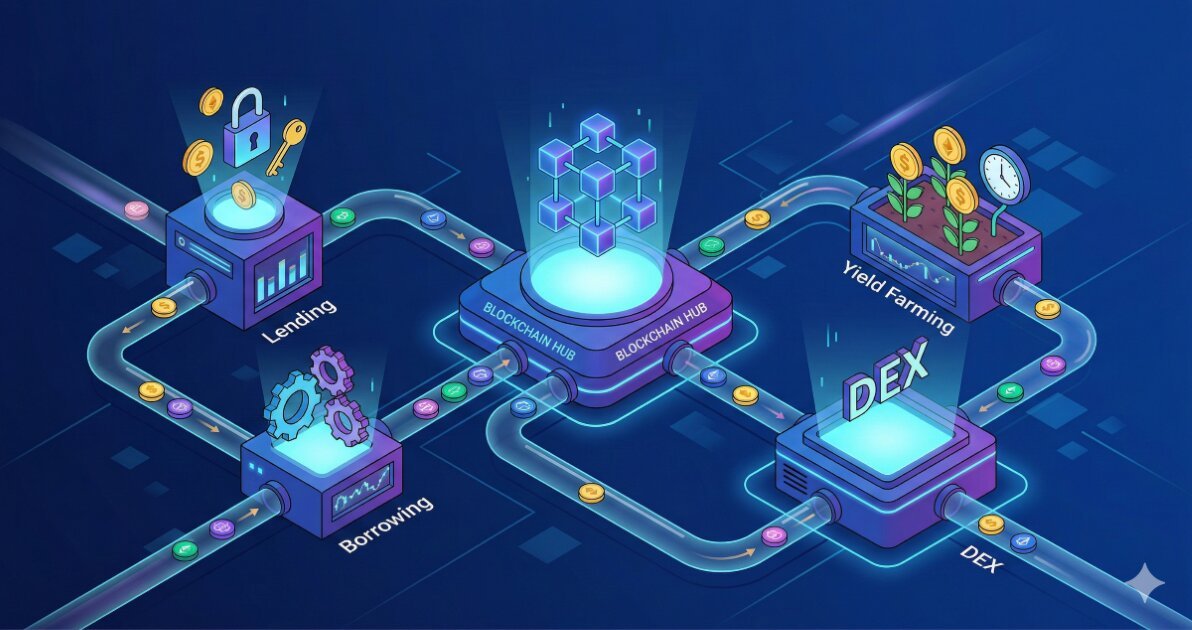
Major DeFi protocols launching or upgrading on Avalanche’s C chain affect where liquidity concentrates. When a lending market adds support for a new collateral type or a DEX introduces a novel AMM curve, trading opportunities emerge as markets reprice assets relative to the new venue.
Liquidity mining incentive programs, often funded by Avalanche Foundation grants or protocol treasuries, periodically shift. A program’s expiration can cause rapid liquidity withdrawal, widening spreads and increasing slippage. Track incentive program end dates and monitor TVL trends across competing protocols to anticipate liquidity migration.
Flash loan availability also varies by protocol and Avalanche’s EVM compatibility. Some Ethereum flash loan strategies port directly to Avalanche, but block timing differences may require adjustment to arbitrage or liquidation bots.
Worked Example: Subnet Launch and Arbitrage Window
A new gaming focused subnet launches with its own native token. The subnet uses Avalanche Warp Messaging to enable trustless transfers to the C chain. A centralized exchange lists the subnet token but initially sources liquidity from a single bridge. You identify a price discrepancy between the subnet’s native DEX and the CEX.
First, verify the Warp Messaging implementation is audited and that the subnet validator set includes recognizable entities. Check the subnet’s block explorer to confirm uptime and transaction throughput. On the C chain, inspect the bridge contract for the subnet token to ensure it has sufficient reserves and a mechanism to handle redemption spikes.
Execute a test transaction moving a small amount of the subnet token to the C chain, then to the CEX. Measure latency at each step. If finality on the subnet takes 30 seconds and the bridge adds another minute, your arbitrage window depends on price movements staying favorable for at least 90 seconds.
Once confident in the route, scale up. Monitor the CEX order book depth and the subnet DEX liquidity. If the subnet DEX uses a constant product AMM with shallow liquidity, large trades will incur significant slippage, eroding the arbitrage profit.
Common Mistakes and Misconfigurations
- Assuming C chain gas pricing behaves identically to Ethereum mainnet. Avalanche’s fee structure differs, particularly during congestion, and priority fees may not tip validators in the same way.
- Ignoring subnet validator uptime metrics before bridging assets. A subnet with intermittent block production can delay withdrawals or cause transaction reversals.
- Using outdated RPC endpoints that do not reflect recent hard forks. Node software versions matter for transaction formatting and API compatibility.
- Overlooking delegation lock periods when planning liquidity needs. Early withdrawal from staking is not supported; misjudging the unlock date can strand capital.
- Relying on a single bridge for crosschain transfers without checking collateral backing or validator reputation. Bridge exploits have occurred across multiple ecosystems.
- Deploying Ethereum smart contracts to Avalanche C chain without testing block time assumptions. Avalanche’s sub second finality can cause logic dependent on block numbers to behave unexpectedly.
What to Verify Before Relying on Avalanche Network Information
- Current minimum validator stake requirement and delegation parameters. These can change via governance and affect staking yield calculations.
- Subnet validator set composition and uptime history. Check official Avalanche explorers or subnet specific dashboards.
- Bridge contract versions and audit reports for any crosschain asset you plan to hold. Verify reserve balances match outstanding wrapped tokens.
- C chain gas pricing trends and base fee algorithm status. Fee spikes during NFT mints or token launches can disrupt bot operations.
- Active liquidity mining programs and their expiration dates. Incentive cliffs cause predictable liquidity outflows.
- RPC node version compatibility with the latest Avalanche network upgrade. Outdated nodes may reject valid transactions.
- Subnet Warp Messaging enablement status. Not all subnets support native crosschain communication.
- Governance proposals in discussion or voting phases that target parameters affecting your strategy.
- Official Avalanche social channels and developer forums for unannounced maintenance or testnet deployments that preview mainnet changes.
Next Steps
- Set up monitoring for Avalanche governance forums and GitHub repositories to catch parameter change proposals early. Automated alerts on new commits to consensus or subnet related codebases provide lead time for strategy adjustments.
- Test transaction flows across the X, P, and C chains in a staging environment to confirm routing logic handles crosschain delays and gas estimation correctly.
- Establish fallback RPC providers and bridge routes to maintain operations if a primary infrastructure component undergoes unexpected downtime or upgrade.
Category: Crypto News & Insights